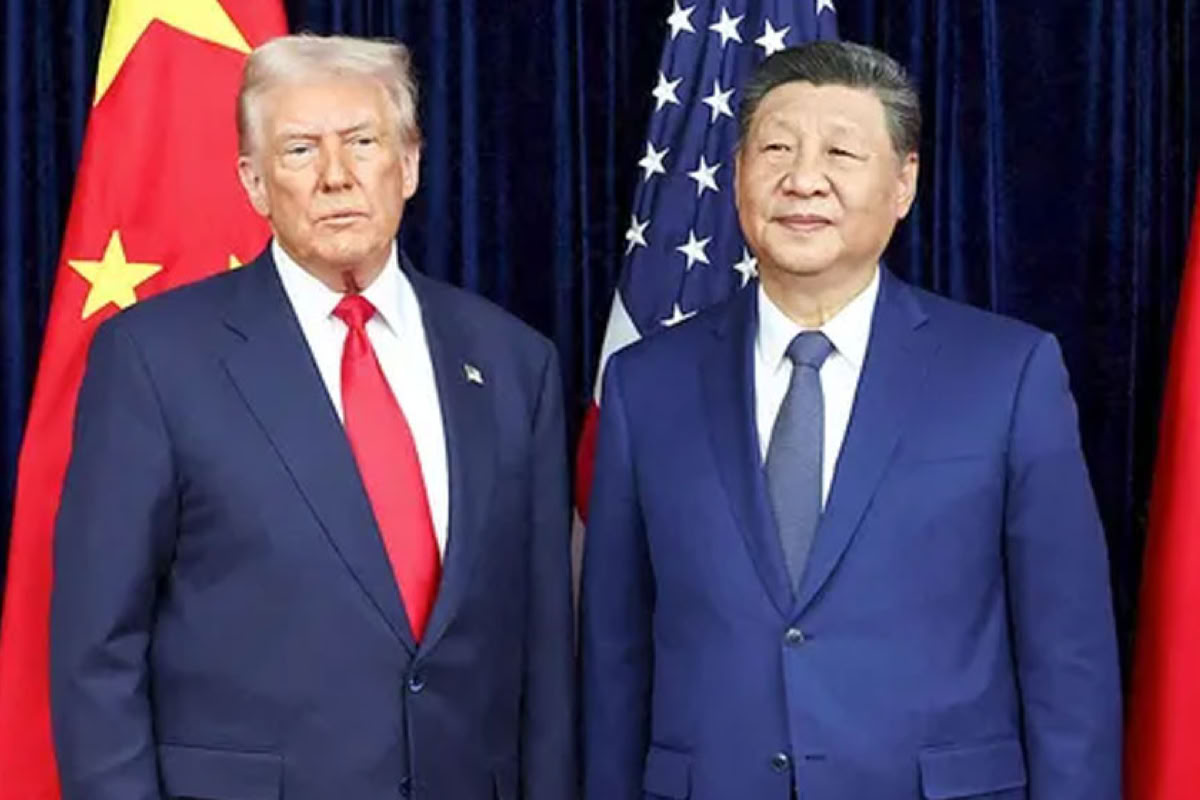
A BBC article about the Trump–Xi summit is a great example of how modern journalism can seem fair while subtly guiding readers to a certain view.
How Framing Works
At first glance, the article looks calm, professional and based on facts. There aren’t any obvious insults, emotional outbursts or clear political statements. But what’s really going on is a narrative that seems neutral, but is actually shaping how we see things.
Selection of “Success” Metrics
The article keeps throwing out these hopeful comments about the summit, but then it quickly pulls back with some doubts, saying not much really happened. For example, it starts by saying the talks were a ‘very successful’ event, but then it quickly points out that there weren’t any big deals, not many clear results or much real impact. This isn’t just a coincidence. It’s a way the editor is trying to make readers question the summit’s importance and make them think twice before they decide what to believe.
That is not objective journalism. It is guided interpretation.
To truly be objective, the article should look at different ways to judge the summit. Instead, the BBC seems to focus on just one thing: if there aren’t any quick deals, big changes or exciting new ideas, then the meeting must have been mostly for show.
But, hey, diplomacy between the world’s biggest countries isn’t like watching reality TV. These big meetings are usually about keeping things calm, helping markets get back on track, getting back in touch and making sure everyone understands each other better. Those things don’t always make for big headlines, but they can really matter for the whole world. The article doesn’t give these possibilities enough attention because it would make the story that the summit didn’t really do anything less convincing.
The Quoting Problem
What’s even more concerning is how the article picks and chooses who to quote. It leans heavily on Western experts—think tanks, analysts and commentators who already agree on a lot. But it almost completely ignores other voices from independent analysts, people who aren’t from Western countries or diplomatic historians who might see a good reason to keep things cool. This makes it look like everyone agrees, but it’s actually just hiding other ways of looking at things.
Tone Toward Political Figures
The way the article talks about political leaders also shows a bit of bias. Xi Jinping is usually seen as careful, smart and strategic, while Donald Trump is described using words that highlight showmanship, exaggeration or drama. The article might not say anything outright negative, but the way it’s presented is clear. One leader is seen as serious; the other as someone who likes to perform.
So, this isn’t just being neutral. It’s about shaping the story with the tone and what’s highlighted.
Why Readers Are Losing Trust
What really makes this style of reporting so effective is that many readers don’t even see it as biased anymore. Nowadays, mainstream media doesn’t usually resort to blatant propaganda. Instead, they subtly influence audiences by how they arrange things, what they leave out, how they question things selectively and how they frame things. The facts are accurate, but how they’re presented nudges readers toward a certain emotional and political view.
That’s why people’s trust in traditional media is slowly fading. They feel like they’re not just getting information—they’re being directed. The BBC still does a great job with production and facts, especially compared to outlets that are clearly leaning one way, but being professional doesn’t automatically mean being unbiased.
So, really, the article is more about how smart media companies shape what people think while still looking like they’re fair and balanced.