Philip Morris International (PMI) launched a global campaign promising “a future without cigarettes.” At first glance, it sounds like a radical transformation — a tobacco company vowing to end cigarette sales. But does the evidence match the promise?
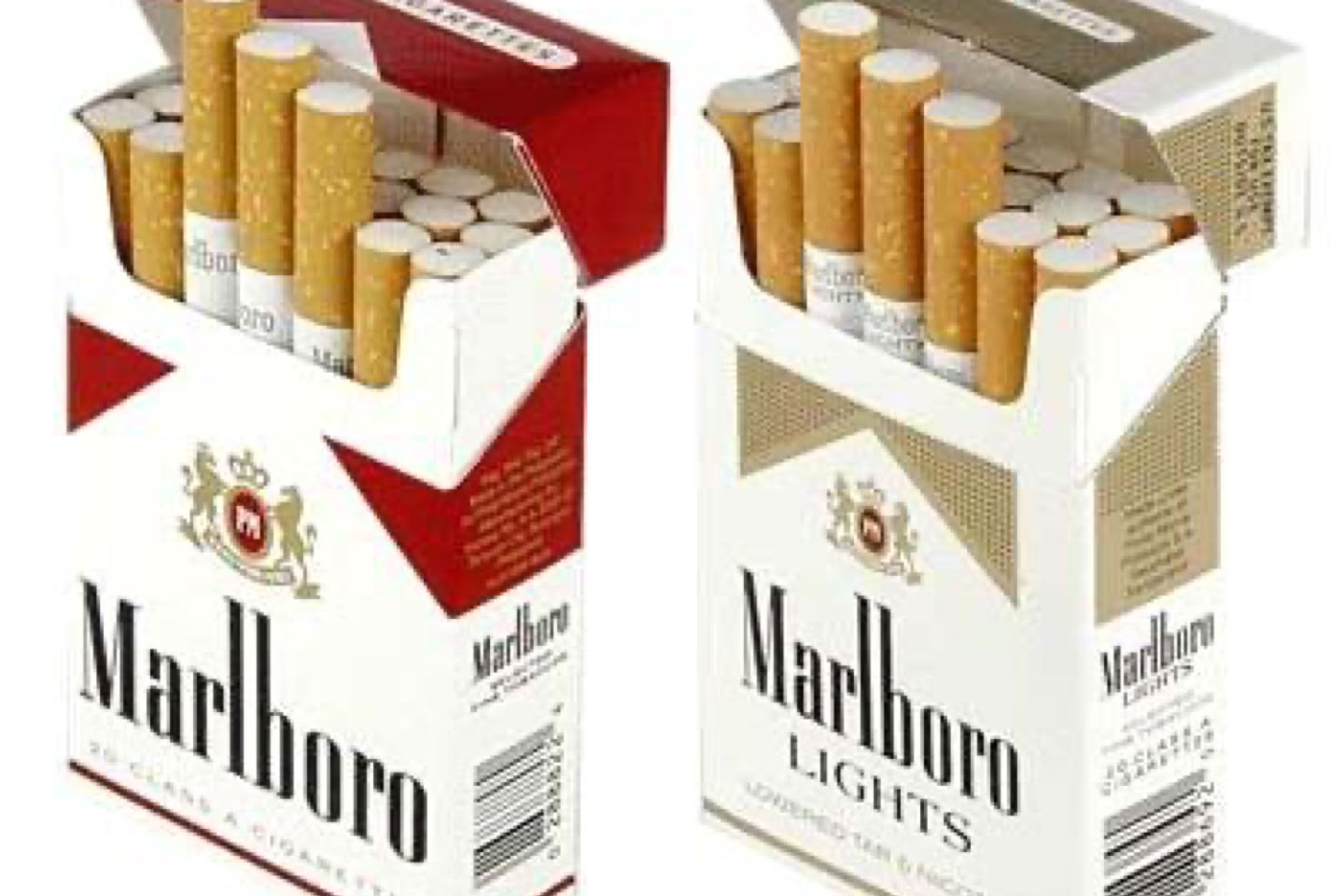
PMI says it’s helping build a world without cigarettes. its 2024 annual report, says over 60% of its global revenues still come from cigarettes like Marlboro and L&M. While promoting “smoke-free” products, it still markets cigarettes aggressively, especially in parts of the world with weaker tobacco controls. The vision of a cigarette-free future remains far from reality.
A cigarette free world by 2030! People addicted to nicotine would rejoice.
Science or Spin?
PMI points to “science and innovation” as the driving forces behind its transformation. It has invested heavily in developing IQOS, a heated-tobacco product that produces a nicotine-rich vapor instead of smoke.
It’s true that heating tobacco releases fewer toxic chemicals than burning it — but “less harmful” is not the same as “safe.” Most studies supporting IQOS come from PMI itself. Independent research — including from JAMA Internal Medicine and the World Health Organization — shows that IQOS still delivers nicotine and other harmful substances, and long-term health impacts remain uncertain.
“A Better Choice” — But For Whom?
PMI calls its new devices “a better choice for adults than continued smoking.” That statement is technically accurate: switching from burning tobacco to heating it can reduce exposure to certain toxins.
But experts stress that the best choice is quitting entirely. Public health agencies like the WHO and CDC continue to warn that these products can hook new users, particularly younger people, and keep smokers addicted to nicotine rather than helping them quit.
The 2030 Goal
PMI says its ambition is to become “substantially smoke-free by 2030,” with two-thirds of its revenue coming from smoke-free products. As of 2024, that figure was only about 35% — meaning PMI would have to double that share in just six years. It’s a bold target, but not yet a reality.
The Bottom Line
Philip Morris International has made real moves toward developing alternatives to cigarettes, and its “smoke-free” products are now sold in about 100 markets. But the company’s messaging paints a picture more progressive than its current business model.
PMI’s transformation is still largely a work in progress — and a powerful piece of marketing. Until the company stops selling cigarettes altogether, its vision of a “future without cigarettes” remains a slogan, not an achievement.